

Waste-to-Reward Agroforestry & Plastic Recycling
Background
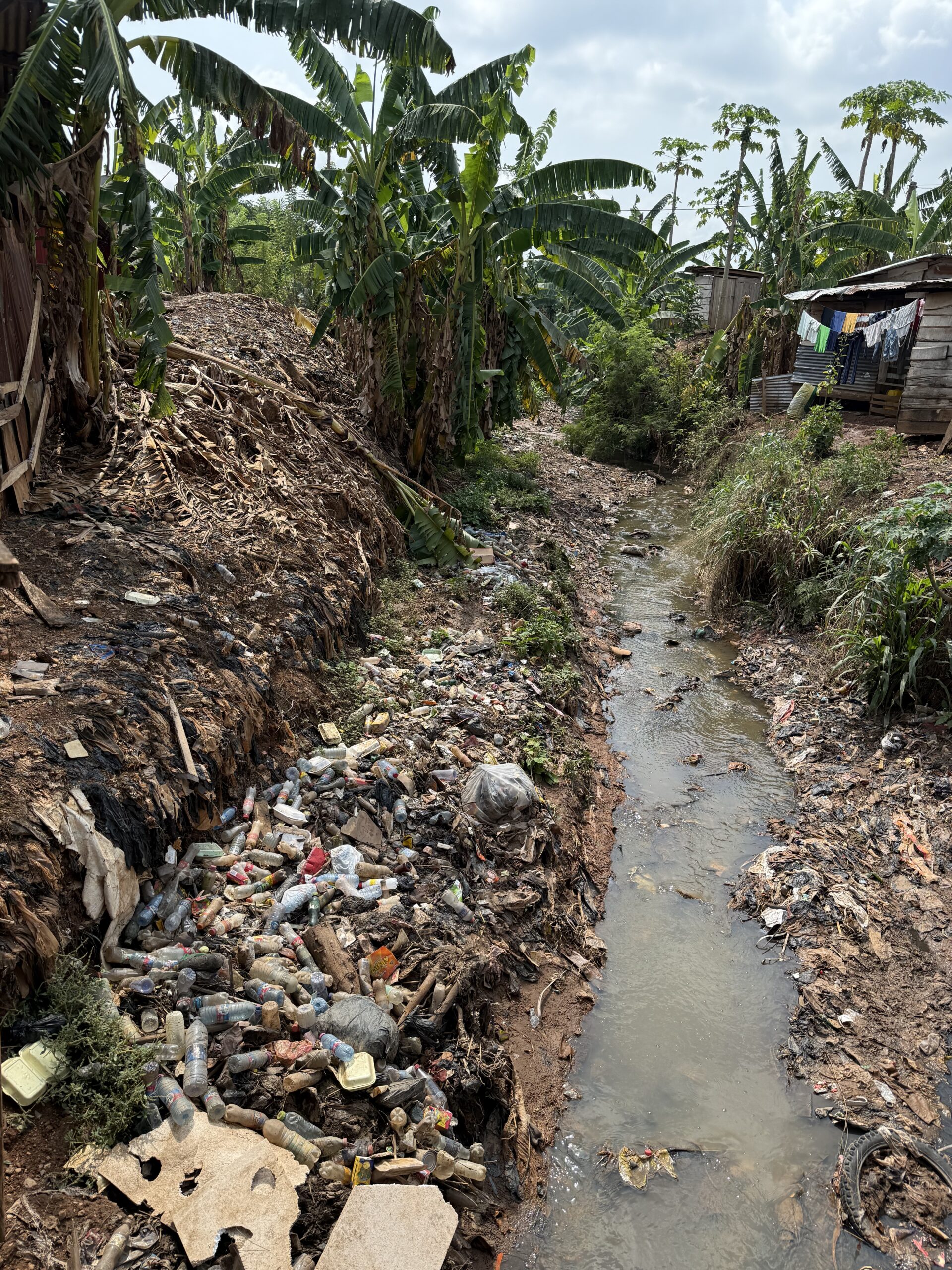
Improper waste disposal has become a significant challenge in many communities in northern Ghana, leading to environmental degradation, health risks, and missed opportunities for resource recovery.
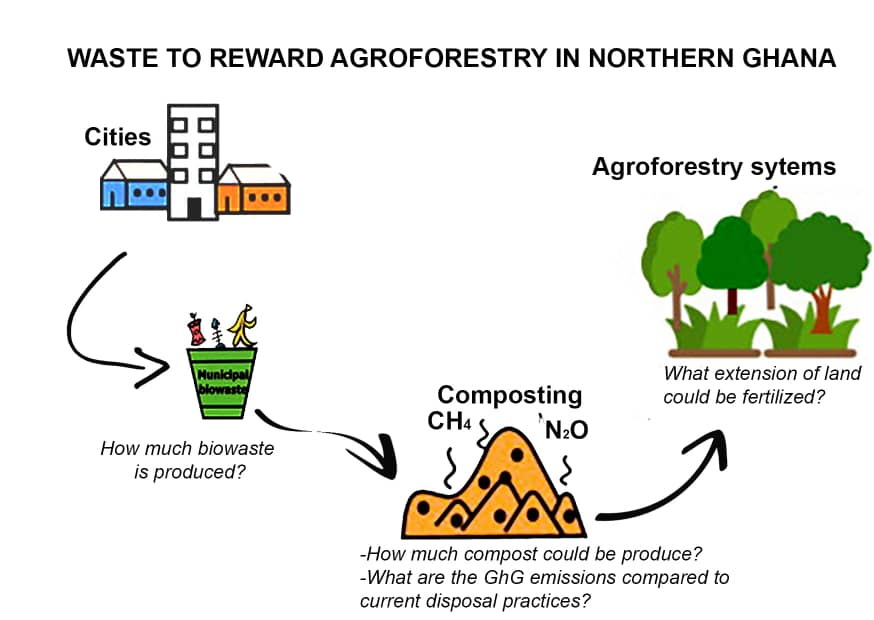
In partnership with the Ummy Relief Foundation, Technology Without Borders and Rotary EndPlasticSoup, the project aims to address these challenges by establishing an organized school and household waste collection and management system. This project will engage community stakeholders, set up metal cages for waste collection, organize composting and connect recyclables to recycling centers while tracking waste generated weekly. Funds raised through partnerships with recycling companies will be reinvested to expand the project’s impact. This pilot project, scheduled till the end of 2026, will be used for a follow-on project to extend the waste collection and set up a plastic upcycling factory.
Donate 1250 USD
Donate 1250 (= about 1100 euro) to implement household waste collection or 2,500 USD (2200 euro) to purchase a tricycle.
We will include your Rotary Club name or organization in the communication and reports. Please contact us: endplasticsoup@gmail.com
Bank account: NL60 RABO 0351 796 053, Name: Stichting EndPlasticSoup
BIC/SWIFT: RABONL2U
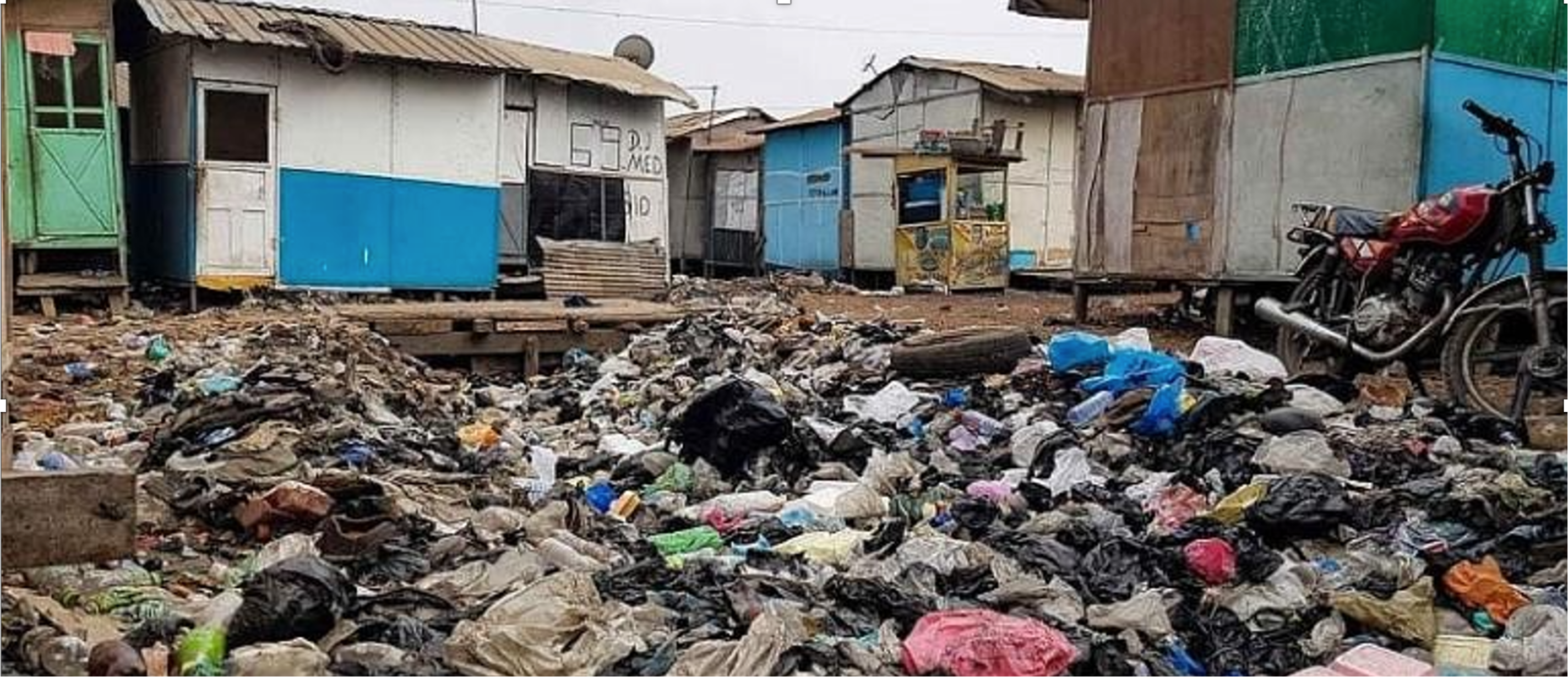
Project Objectives
Establish a waste collection and management system in Tamale, Ghana, to:
1. Provide education and plastic waste collection for 20 schools and public care centers.
2. Organize waste collection for about 3,000 households.
3. Agroforestry: composting to be used to support farming.
4. Waste-to-reward: generate revenue through commissions from recycling companies to sustain and scale up the project.
Project Overview
1. Waste management education and plastic waste collection for 20 schools and public care centers in Tamale.
2. Establish waste collection points by installing additional 15 metal cages in strategic locations within Tamale.
3. Select Eco-Heroes to train households on waste sorting and composting techniques and organize pickup of organic and plastic household waste for 3,000 households using 2 tricycles.
4. Set up a waste management and composting center using rental space and land, a compost mixer and manual tooling.
5. Monitor and document the quantity and types of waste collected weekly.
6. Generate ongoing revenue through commissions from recycling companies to sustain and scale up the project.
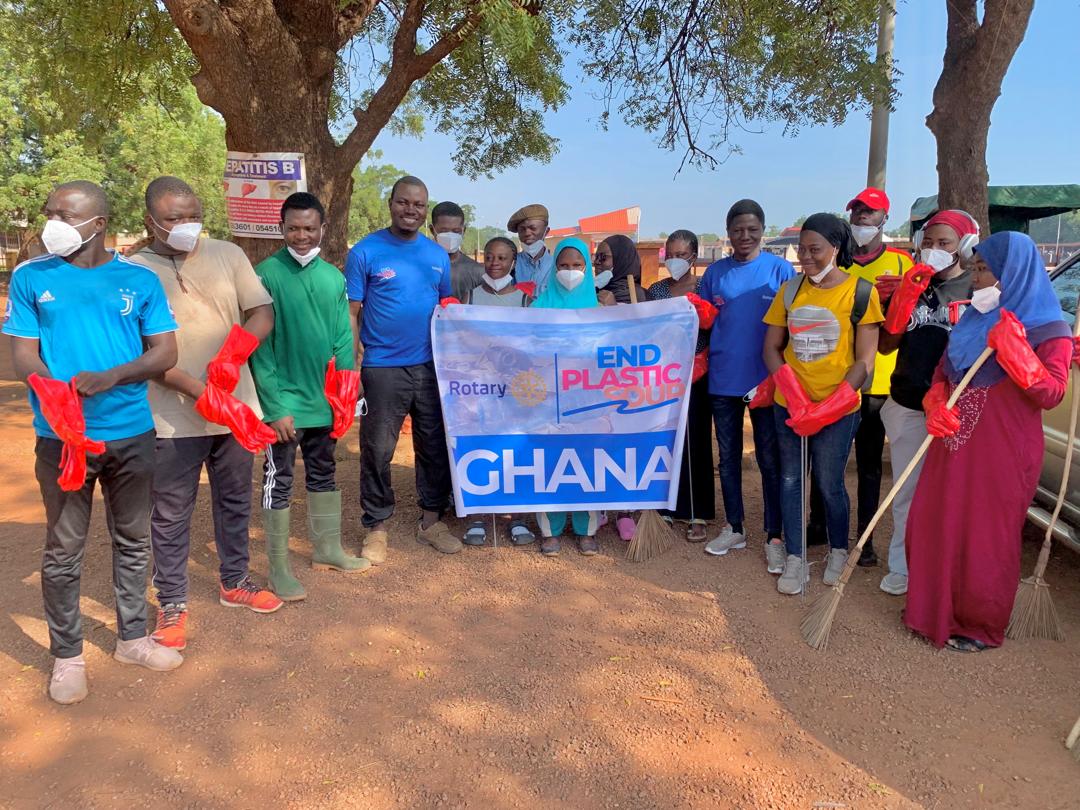
Expected Outcomes
1. Education to children of 20 schools to become aware, become motivated for a plastic-free environment and inspire their parents toward less waste and a healthy lifestyle.
2. Additional income: about 100 USD per school per month to pay for 1 teacher.
3. Collect household waste from 3,000 households (or ±12,000 people) in Tamale on waste sorting and collection.
4. Generate ongoing revenue through commissions from recycling companies to sustain and scale up the project.
5. Compost to improve soil and enable growing vegetables at local farms.
6. Reduced health risks by eliminating toxic open burning of plastic and minimizing disease that breeds in plastic waste.
7. Restore dignity and pride through cleaner communities.
8. This project can be an example for other the north region of Ghana and in the other parts of the country.
Budget Breakdown
- 2 Tricycles for waste collection: 6500 USD
- Machine and equipment for composting: 3000 USD
- Rental + operating costs: 2000 USD
- Incentives, labor + miscelaneous: 5,000 USD
- Materials and supplies: 4,000 USD
- Contingency: 2,500 USD
Total Budget: $23,000