

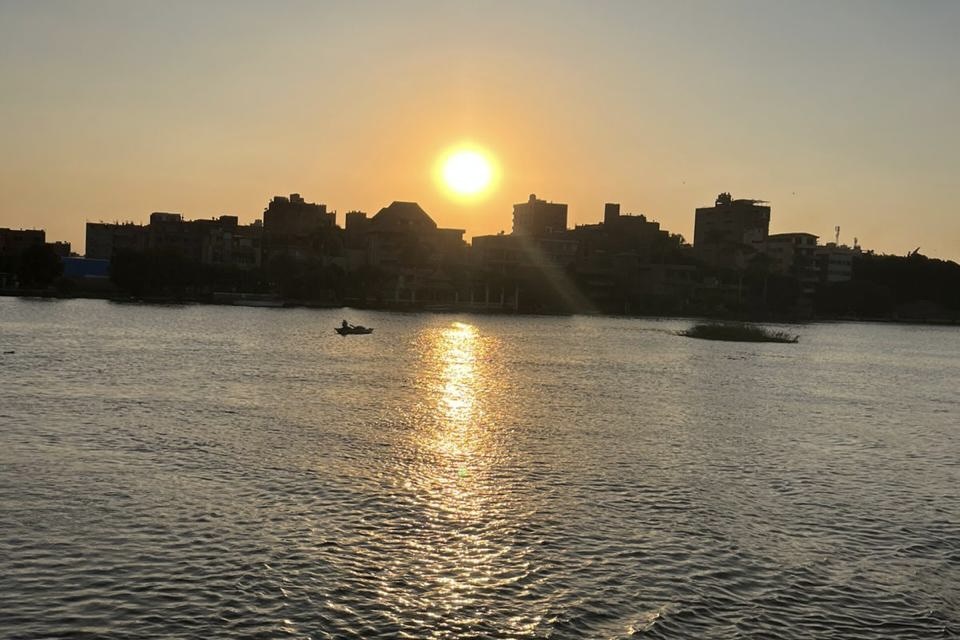
Adopt the Nile in Assiout: a Story of Renewal
By Amin Sabri
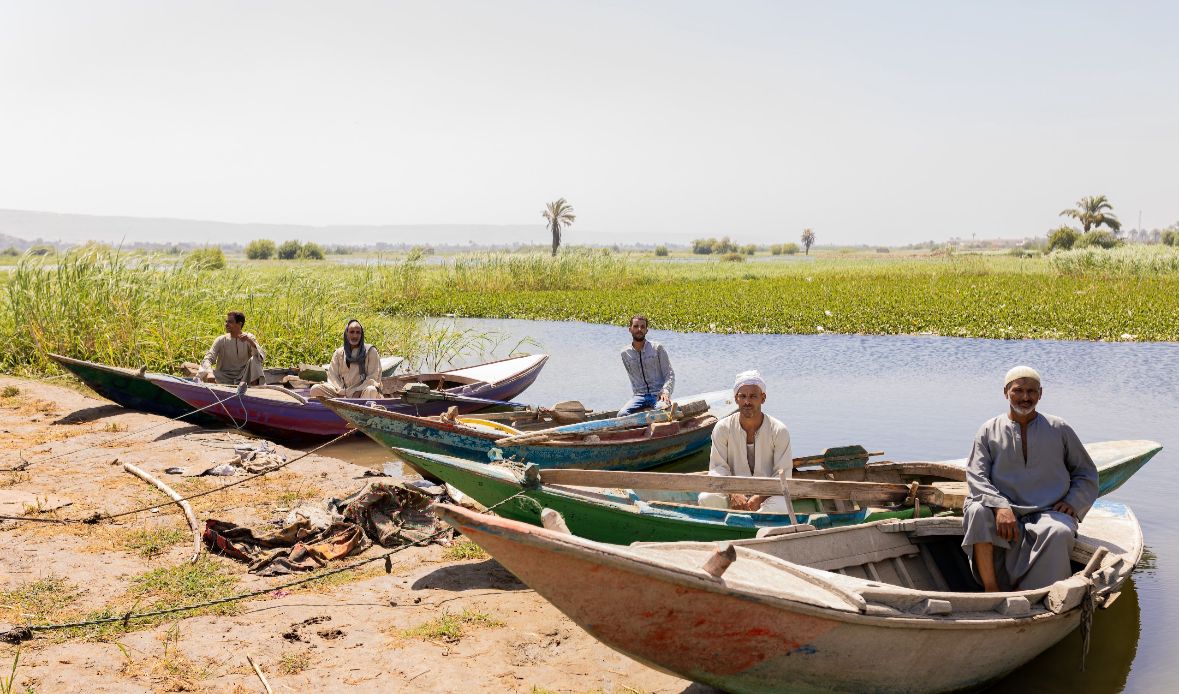
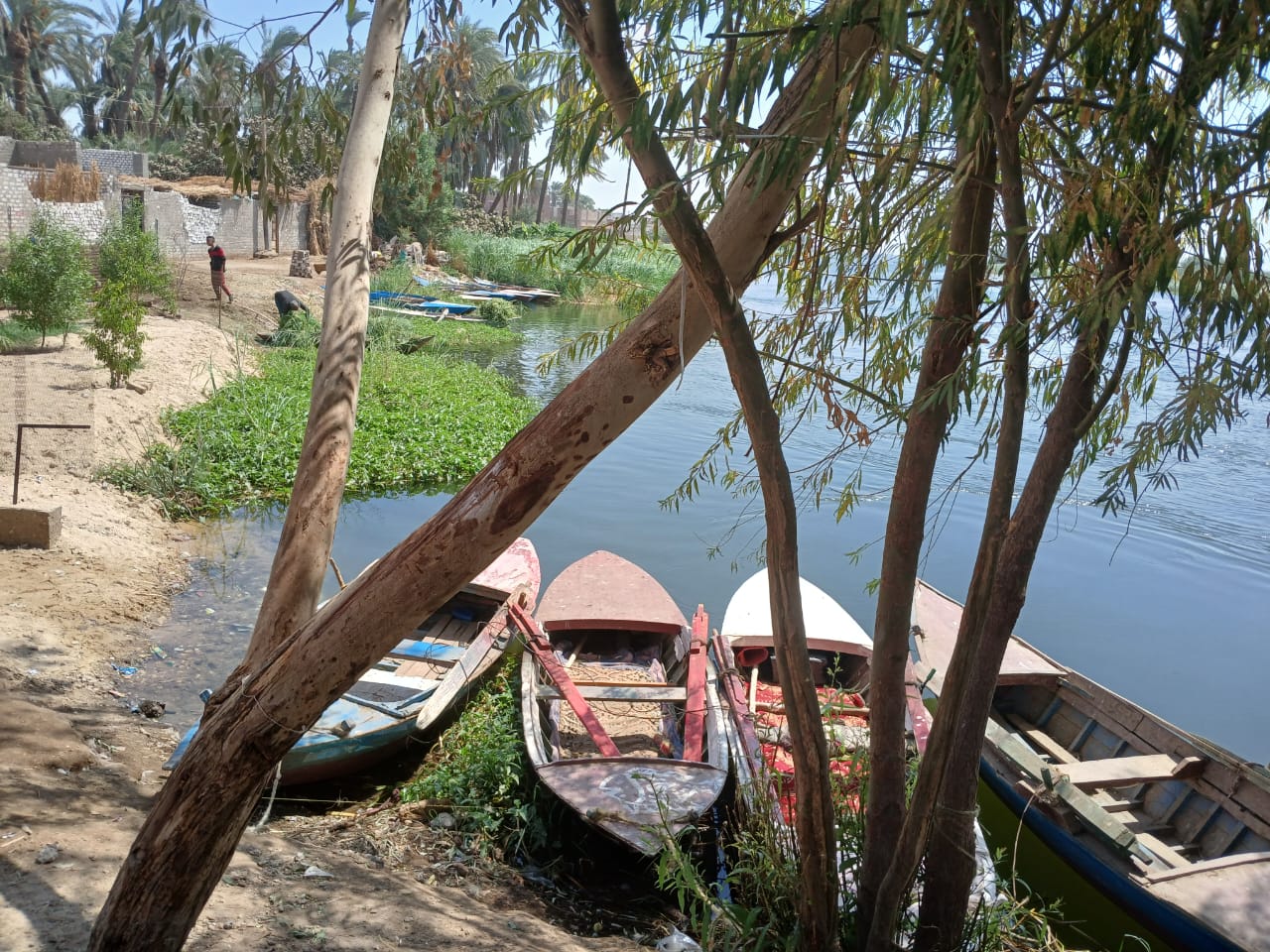
In the heart of Upper Egypt, the Nile is more than just a river; it is a lifeline. For Ahmed, a third-generation fisherman in Assiout, the river is his history and his hope. He sails an aging, weathered boat inherited from his father—a vessel that has seen better decades. Yet, in recent years, the Nile has grown weary. Pollution and plastic waste have stifled the waters, causing fish populations to dwindle and Ahmed’s daily income to shrink alongside them.
Ahmed’s struggle was not merely financial, but a complex web of logistics and safety. With three young children—Omar (5) and twins Ali and Mona (3)—Ahmed and his wife, Zeinab, faced a heartbreaking choice. Because the children were not yet of school age and could not be left alone, Zeinab would join Ahmed on the boat to help manage the workload while keeping an eye on the little ones. The Nile, once a source of abundance, had become a precarious “nursery” for the next generation.
Global Collaboration, the Bridge Between Borders
Recognizing that Ahmed’s plight was shared by nearly every fishing family in the region, the Rotary Club of Al Shorouk, Egypt, conducted an extensive community study. To turn a vision of change into reality, they partnered with the Rotary Club of Moenchen-Land, Germany. Together, fueled by a Rotary Global Grant, they launched a multi-dimensional project designed to heal both the river and the community. The project “Adopt the Nile Assiout” was the second Global Grant project, beside several cleanup action, as part of the EndPlasticSoup Nile Plastic-free program.
A River Reborn
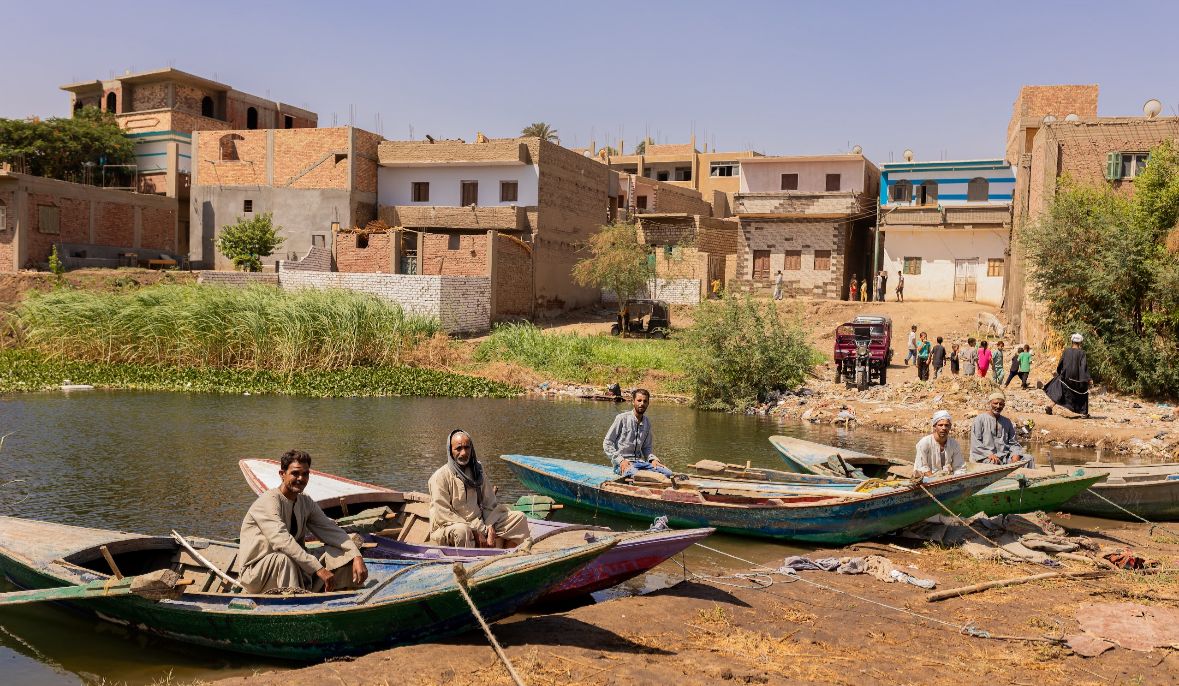
The transformation was more than just physical; it was a total reimagining of life on the water. The project attacked the cycle of poverty and pollution from four distinct angles:
- Safety and Efficiency: Ahmed and his fellow fishermen were provided with new, modern boats. These vessels were not just tools for labor, but symbols of a fresh start, allowing for safer and more productive days on the water.
- The “Kids of the Nile” Center: To solve the childcare crisis, a dedicated day-care center was established. Named “Kids of the Nile,” it provided Omar, Ali, and Mona with a safe, educational environment, finally freeing Zeinab to pursue economic opportunities or manage the household with peace of mind.
3. Turning Waste into Wealth:
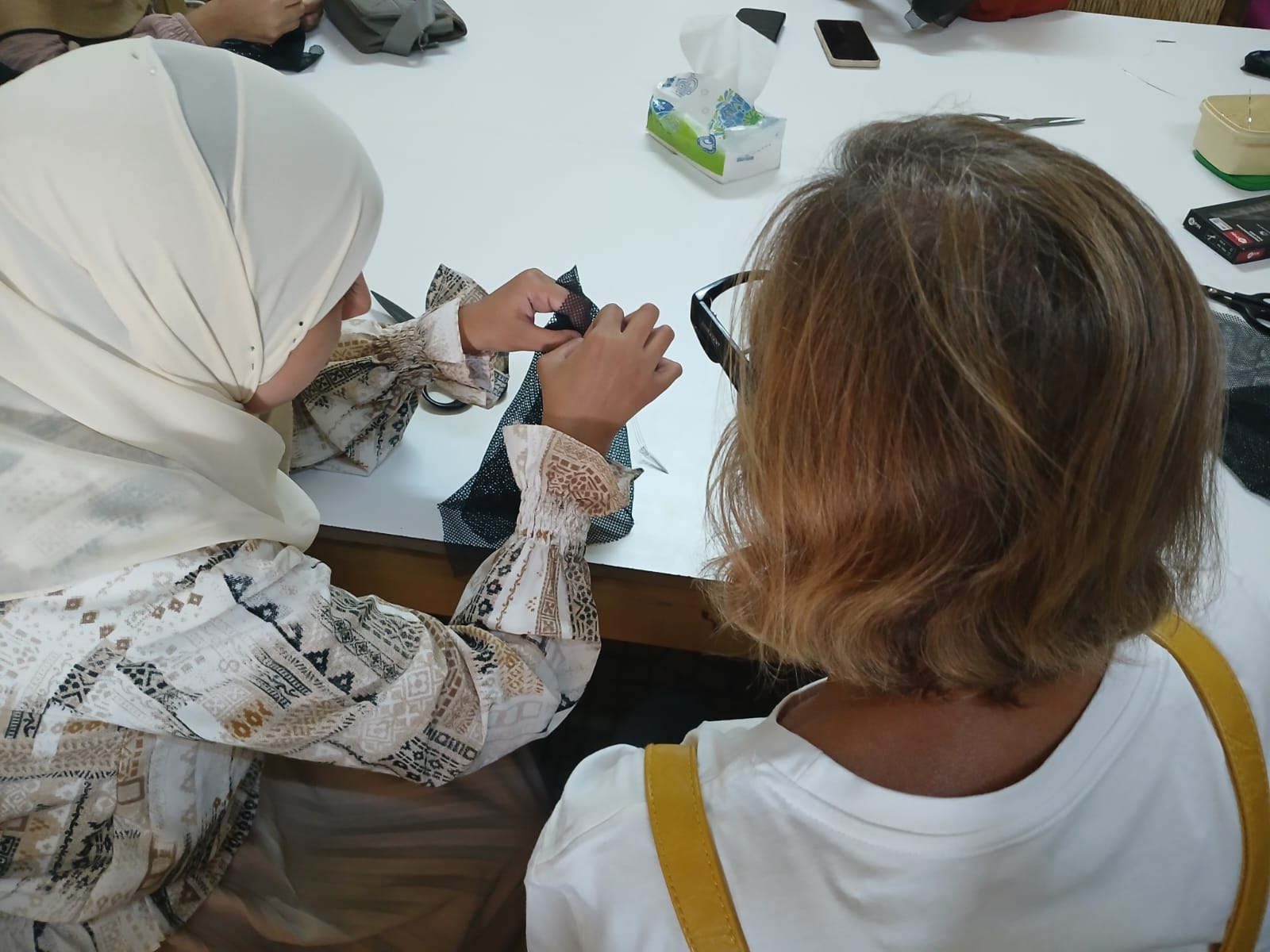
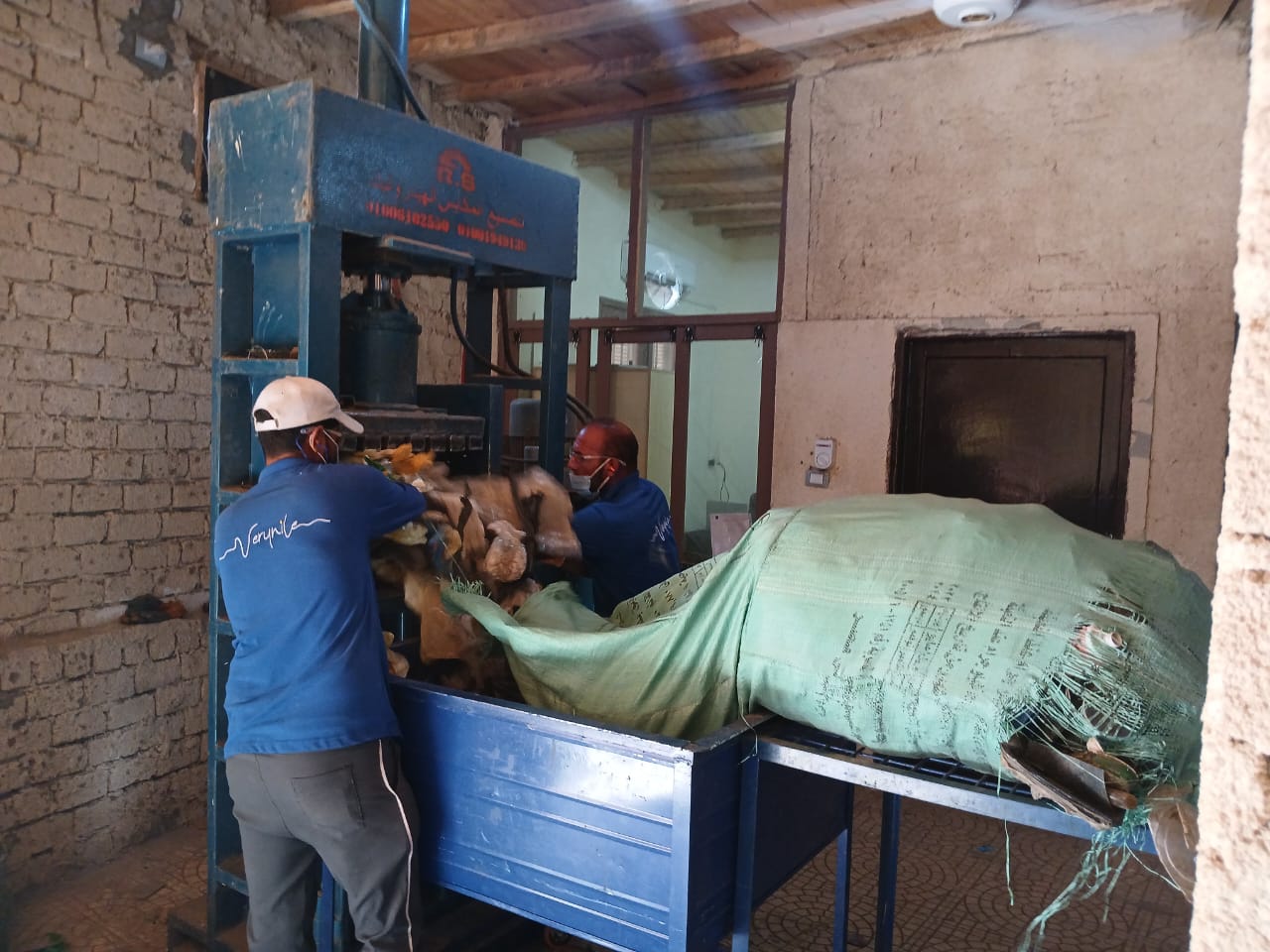
A recycling unit and workshop were installed. Local artisan women were trained to transform recycled plastic into high-quality products. This didn’t just create jobs; it established a new local economy.
4. Cleaning the Lifeline:
Perhaps the most innovative aspect was the “Collection Incentive.” Fishermen were requested to collect floating plastic waste while they fished. The project then purchased this plastic from them for the recycling unit, providing the fishermen with an immediate second stream of income while systematically cleaning the river.
Conclusion
Today, the waters of the Nile in Assiout are becoming clearer, but the true impact is seen on land. Ahmed no longer worries about the stability of his father’s old boat, and Zeinab no longer fears for her children’s safety on the water. Through the bridge built between Al Shorouk and Moenchen-Land, the Rotary Global Grant has done more than just provide equipment—it has restored the dignity of the fisherman and secured a brighter, cleaner future for the children of the Nile.
Another Global Grant was successfully completed, see https://endplasticsoup.org/assiut-adopt-a-river/