

A lifecycle assessment model from 2016 to 2040.
Howard Homler MD, FACP
(Editorial assistance from Megan Deeney MSc)
Global health burdens of plastics: a lifecycle assessment model shows that plastic pollution, related to emissions across the plastics lifecycle, reduces our lives by 83 million between 2016 and 2040.
Lancet article January 2026
Megan Deeney and her group have provided a model for assessing the global health burdens from plastics in an open-source paper in The Lancet Planetary Health. Her group provides a complex synthesis of lifecycle assessment with material flow analysis to do a systems-based model to estimate the disability-adjusted life-years (DALYs) associated with global plastics production through to disposal and environmental pollution. DALYs are a useful measure of health impacts, 1 DALY reflecting one year of healthy life lost due to a combination of disease and/or premature death. Although there are criticisms of this unit, it is probably the most useful metric for this type of analysis. This paper compared different scenarios of plastic production, consumption and waste management from 2016 to 2040. The health impacts included both short-term and long-term effects related to emissions across the plastics lifecycle for each year in the global model.
See the article in Lancet, January 2026.
Focus on single-use plastics, health effects of microplastics not even included
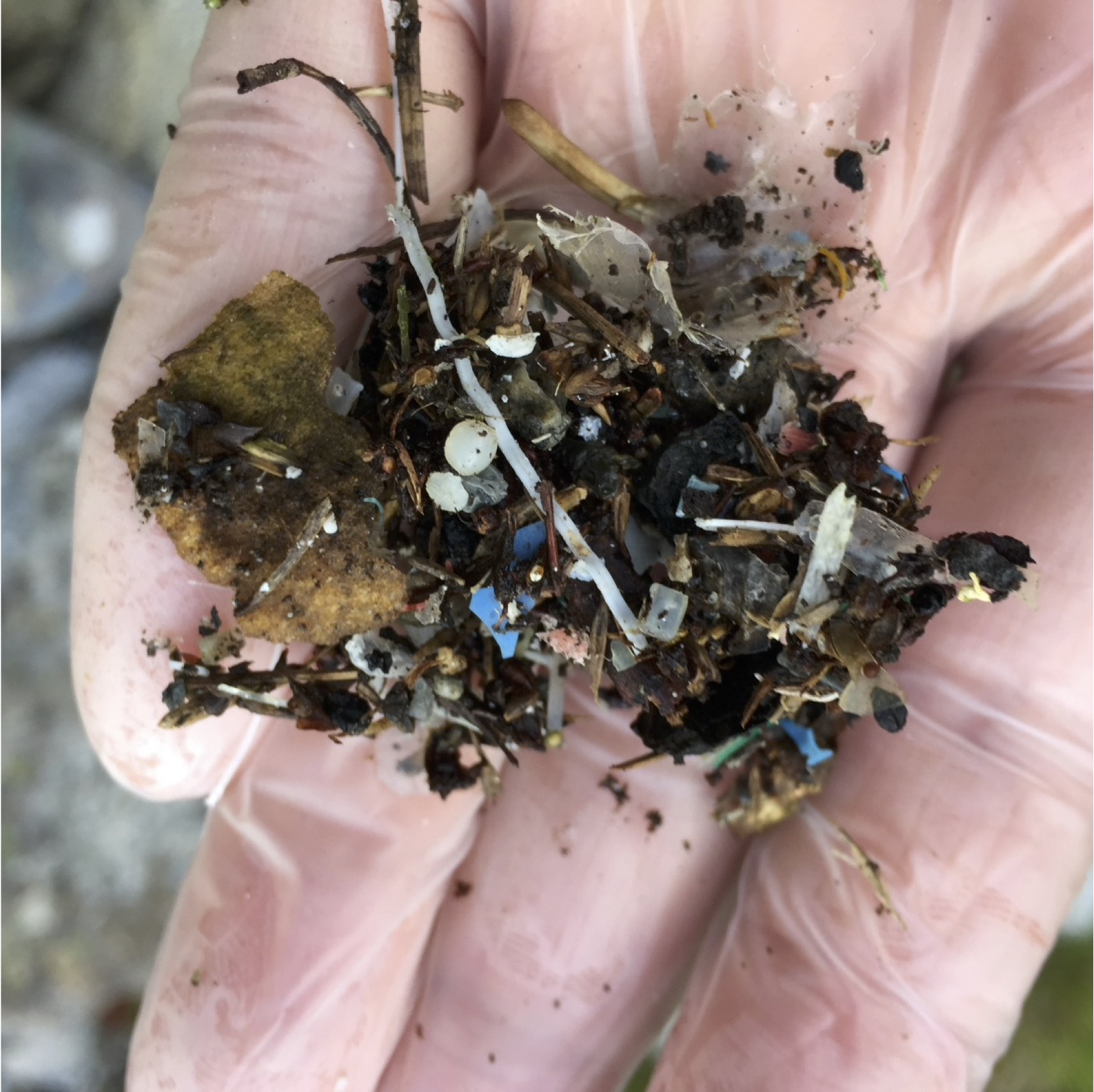
They focused on harm from greenhouse gas emissions, air pollution, and chemicals released from plastic’s lifecycle processes. They focused on single-use plastics, accounting for about 64% of global plastics and it is important to note that they did not account for the potential health effects of microplastics, nanoplastics, and many other chemicals contained in plastics, information that is not sufficiently disclosed by industry. Also excluded from analysis were medical waste, hazardous waste, electronic waste, textiles, agricultural and construction waste. They used data from Plastics to Ocean (P2O), which didn’t look at 36% of global plastics produced or the product manufacturing (the conversion of granulate polymers to plastics products such as food packaging) or the consumer use stage of these products. They considered but didn’t use data on focal areas of high disease risk near petrochemical factories. They were limited in analysis of hazardous chemicals associated with plastic production and released during product lifecycles, since such data are not made available. Much of their data comes from Europe and North America, which likely have better waste management practices than developing nations. Furthermore, heath impacts of waste pickers were not included, noting that this may include 10-20 million people worldwide). In addition, they used a low estimate of annual greenhouse gas emissions for their models and admit that they used a conservative estimate for open pit burning of plastic waste. Such exclusions only tend to make the investigators’ findings an underestimation of true global health harms.
Projection of reduced healthy years of living
They found that the entire world-wide plastic system was associated with 2.1 million DALYs in 2016. Much of the impact was related to effects on global warming, but open burning of plastic waste and harmful chemicals contributed significantly, too. They projected a cumulative total of 83 million DALYs between 2016 and 2040 with ‘business as usual’ practices, increases that reflect increased plastic production.
The team also looked at what impact different solutions might have on this crisis. Comparing ‘business as usual’ to government and industry commitments to reducing harm, they found that even if these commitments were honored, the impact would only be to reduce cumulative adverse health impacts by 4% (2016-2040). If commitments, plus, improved collection/disposal, increased recycling to fulfill 17% of demand for plastics, and reduced use via reuse and substitutions were combined there would be a 21% reduction in cumulative DALYs in the same timeframe. Despite this, there remained rising health burdens over time, being unable to return to baseline levels in the different scenarios. They predicted that reductions in plastic production would have the biggest impact on health. The system change scenario included a 45% reduction in primary production compared to business-as-usual in 2040 but still showed increased DALYs relative to today.
Reduced production of unnecessary, non-essential plastics is needed
Although important, the effects of improvements in waste management and recycling alone were substantially less effective than reducing plastic production.
The investigators pointed out that the benefits and trade-offs of recycling and replacing plastics need to be carefully considered, including through life cycle assessment. Production of polylactide as a substitute and chemical recycling techniques currently both require high amounts of energy, limiting their net benefits. Likewise, bio-based alternatives may prove to be risky, due to the lack of data on their chemical composition and lifecycle studies. It’s vital that we don’t make regrettable substitutions that further harm health or the environment.
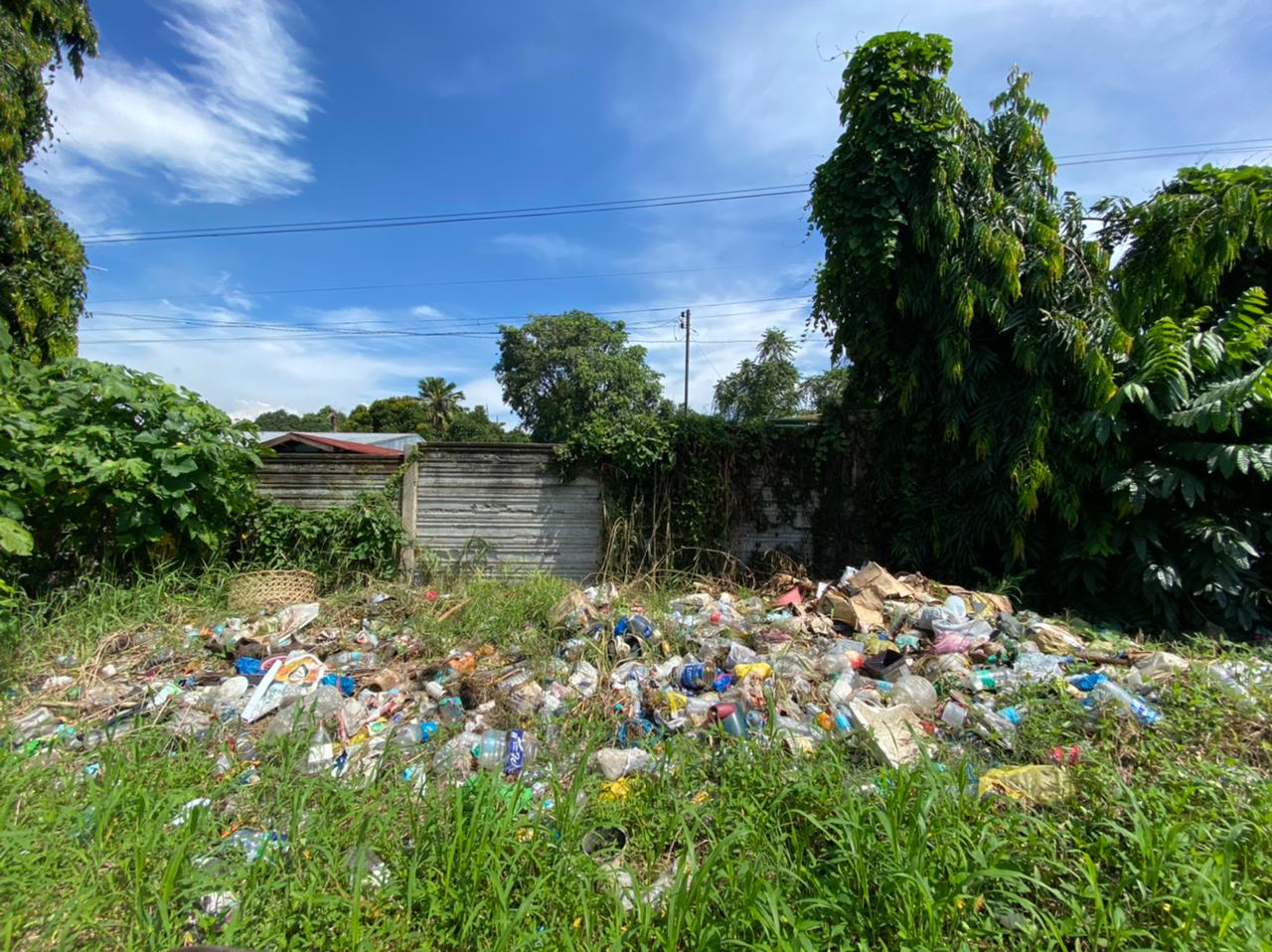
The researchers call for a reduction in primary production of unnecessary, non-essential plastics. This paper’s purpose was to look at harms and therefore did not study the positive effects some plastics may have on improving DALYs. But the latter will be important for future regulations and policies. They stress that they are not predicting but trying to quantify the potential health impacts of plastics throughout their lifecycle and global use. Making estimations of course is based on making assumptions, but the researchers were careful to look at different data sets, set conservative estimates and make their model subject to future modifications as more data becomes available.