

Rotary and the UN’s 80th anniversary
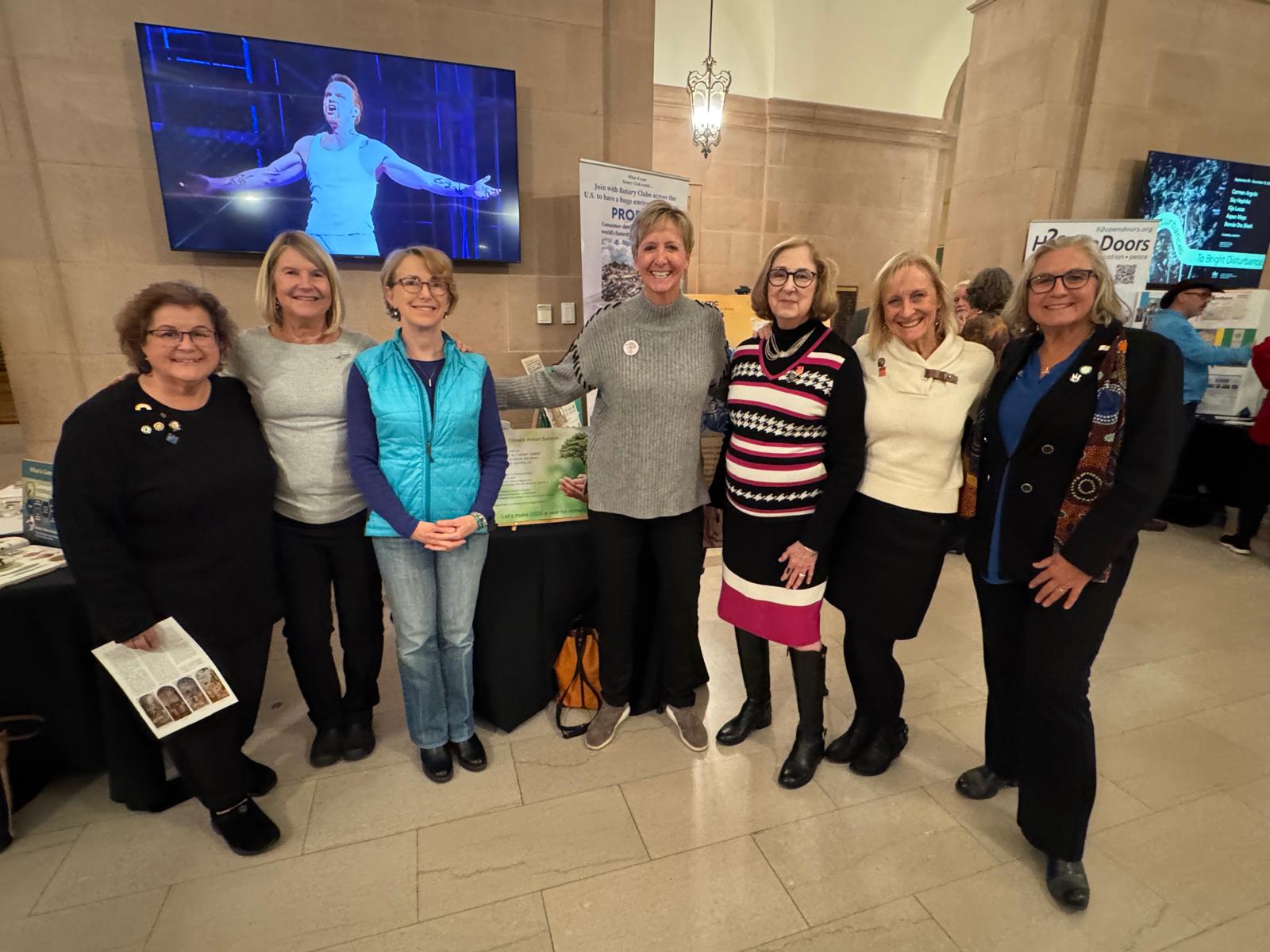
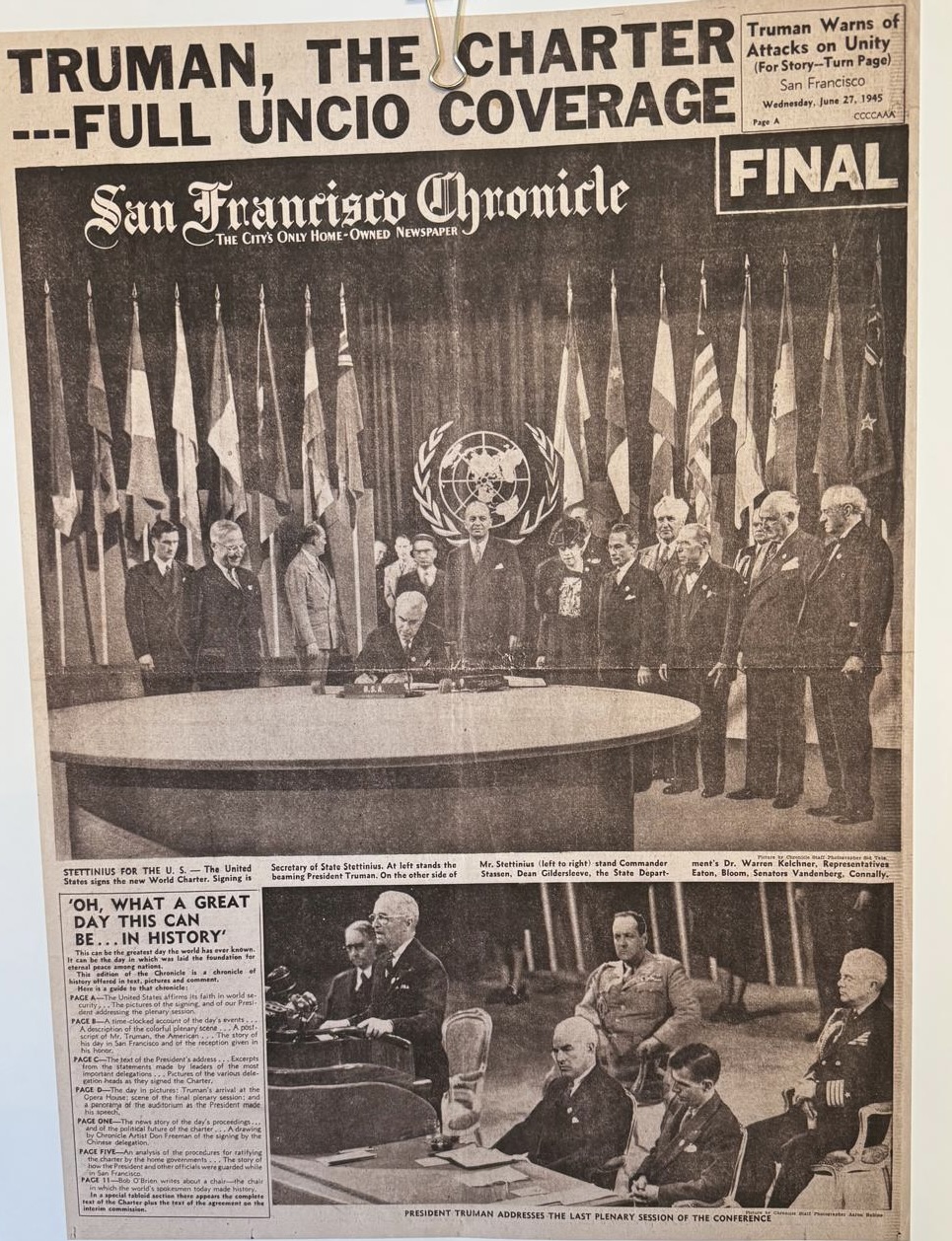
Rotary and the UN celebrated the UN’s 80th anniversary in San Francisco, California, in the building where the UN Charter was signed in 1945.
On December 11, 2025, Rotary hosted ‘Global Goals, Local Action’ to bring together Rotary members, community leaders and international partners to recognize Rotary’s longstanding relationship with the UN. The focus was on the urgency and opportunities in the next five years to achieve the UN Sustainable Development goals (SDGs) as the world approaches the 2030 deadline. The SDG’s align closely with Rotary’s seven areas of focus.
Rotary and the United Nations have a shared history of working toward peace and addressing humanitarian issues around the world. Rotary International was one of 42 organizations the United States invited to serve as consultants to its delegation at the San Francisco conference in 1945. The UN charter was signed in April of 1945 at the War Memorial Building.
Freshwater and Biodiversity
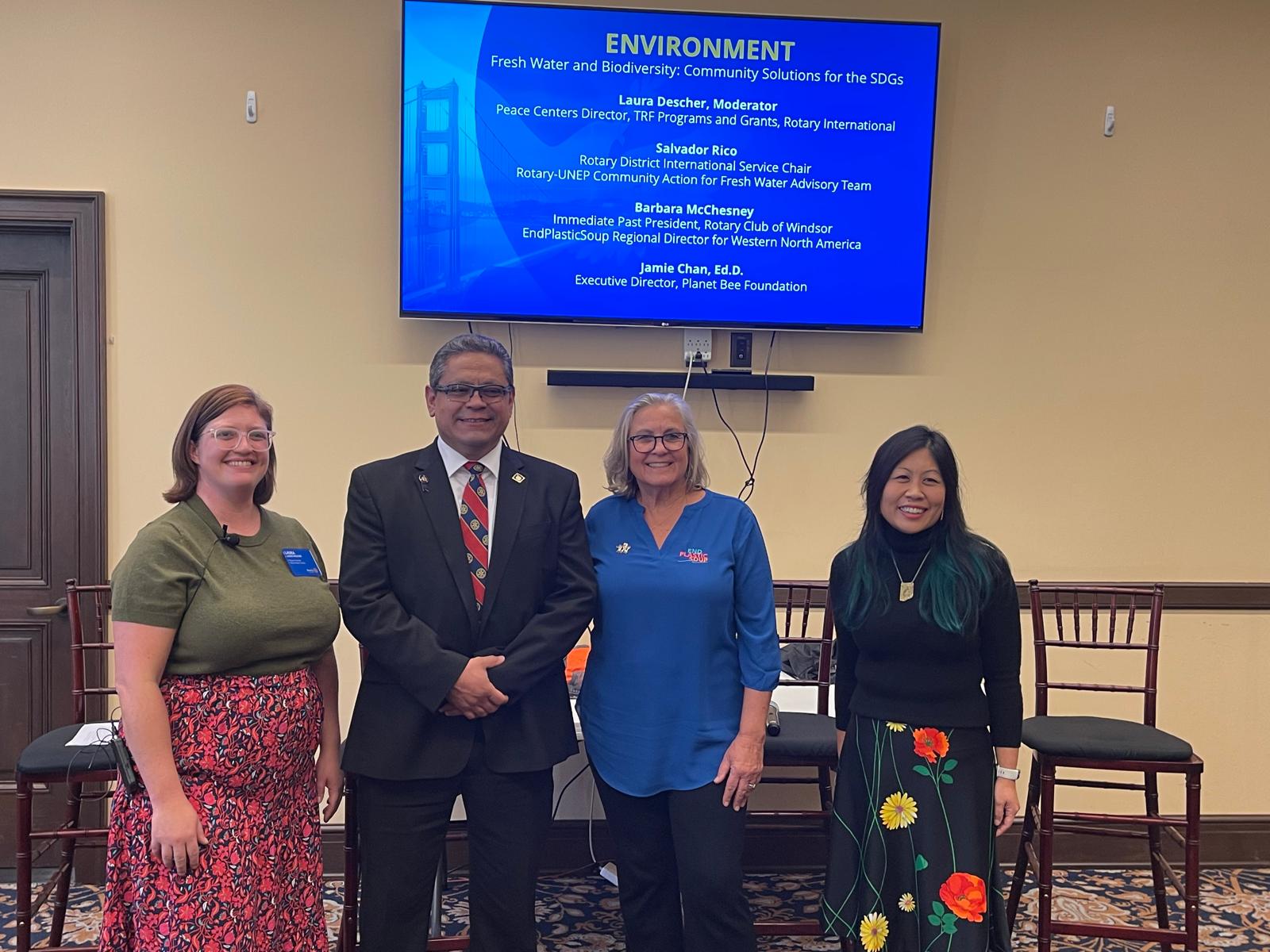
EndPlasticSoup’s western-north-america region ambassador, Barbara McChesney, was invited by Rotary International to be a speaker at the 80-year commemoration of this momentous event in San Francisco in the very building where the original charter was signed. Barbara was honored to be on the panel for “Freshwater and Biodiversity: Community Solutions for the SDGs” with Salvador Rico, Rotary District International Service Chair, Rotary-UNEP Community Action for Freshwater Advisory Team, and Jamie Chan Executive Director, from the Planet Bee Foundation.
Our information was well received and will hopefully lead to even more people committing to taking a stand for the protection of the environment.
Plastic pollution: a threat for our health
Barbara: “I feel it is especially important to talk to people about what is important to them and what will inspire them to take action. It is our own health, our children and grandchildren, love for the ocean, lakes, forests, and rivers. We do not want turtles and sea animals choking on plastic! I was initially inspired to learn more about plastic pollution when I learned about Cancer Alley on the Mississippi River. My own conveniences of single-use plastic were potentially killing or harming communities of people. I saw that our waste is a humanitarian issue, not just a litter problem.”

Education and our youth
The entire panel strongly advocated for educating and including our youth with each of our topics and using citizen science as a path forward. We need citizen science to help bridge the gap between scientific professionals, public knowledge and fostering youth and community engagement to solutions for environmental challenges. All emphasized the importance of taking actions large and small. The SDGs and the seven areas of focus are deeply connected and one cannot be solved without the other.
It’s important to discuss the challenges with hopes to inspire others not to give up. We hear about big projects in Rotary and it is overwhelming but we need to stay focused, repeat information, be realistic, start today and work step by step. We can each make one simple change every day and our actions will spread and make a difference. Some of our biggest challenges are keeping up the enthusiasm, helping people understand just how dangerous plastic pollution is to us and the planet, and to lead by example. We must set an example to make real changes. We must challenge each other to do better, while recognizing cultural differences and ability to access clean drinking water and alternatives to single use plastic.
Community Action for Fresh Water
Salvador focused his questions on Community Action for Fresh Water. He grew up in Mexico and one of his sister’s died from polio she contracted by swimming in a polluted river. Salvador has devoted his life to cleaning up the rivers of the world in honor of his sister and his mother. These stories are important to share and help to inspire others to find what will drive them to participate in this shared goal to protect our environment.
Salvador sets an example of advocacy and passion. He shared important information about the condition of various rivers around the world and his work to link actions for fresh water directly with United Nations for a critically important collaboration. Salvador is deeply involved with climate and clean rivers internationally as well as taking an active lead in supporting the work of protecting our local rivers from pollution and invasive species.
Community Action for Fresh Water is advocating for all clubs around the globe to register with CAFW their own water related projects.
Environmental health is a humanitarian issue.
The panel focused on plastic, bees, trees and water and all of these are either directly or indirectly impact fresh water, hygiene, human health, learning future skills, community economic development and health and peace. As environmental degradation increases, the ability for certain populations to thrive in their own communities decreases which clearly impacts all the areas of Rotary. Protecting the environment is a common shared theme and is vital to the health of humanity and everything living on our planet.
Everyone in the room supported my call to action to make a personal commitment before leaving the room to eliminate one single use piece of plastic from your life and then tomorrow it will be another. Our collective hope is that we develop kindness and caring of the natural world and preserve for our future generations.