

Nanoplastics in the snow

Scientists detected nanoplastics of different types in the snow at a remote high-altitude site in the Alps. Air transport modelling indicates regional and long-range transport of nanoplastics, originating preferentially from European urban areas. These urban areas are important sources of nanoplastics at this site, however the research showed that nanoplastics also travelled from across the…

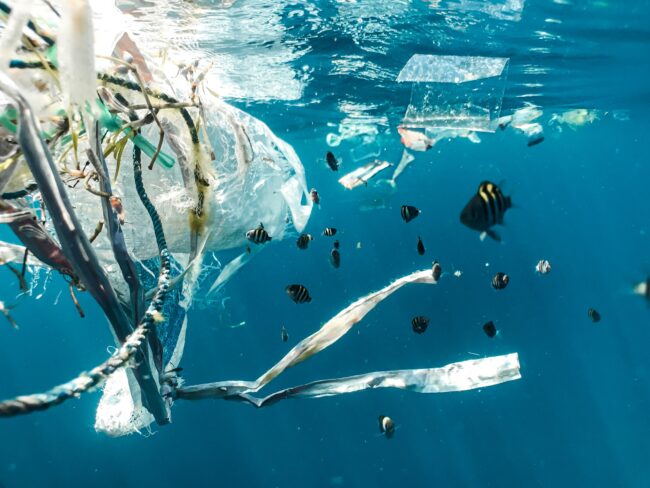
Only 0.5% of the plastic in the ocean floats on the surface of the water, the rest drifts deeper in the water

Plastic that ends up in the sea accumulates on beaches, in the water and on the seabed. Most of the plastic pollution is under water. Marine organisms such as fish absorb (micro) plastics and these end up in our food chain. Source: https://www.grida.no/resources/6904 Maphoto/Riccardo Pravettoni) https://www.grida.no/resources/6904

Where the Western world send their plastic scrap

All over the world countries are exporting their plastic waste to other destinations. The UK exports almost 430.000 tons and the USA almost 790.000 tons (figures 2018). Source: https://www.boell.de/en/plasticatlas; Graphic: PLASTIC ATLAS | Appenzeller/Hecher/Sack, CC BY 4.0. All countries should stop exporting their waste problem to other countries. Source: https://www.boell.de/en/plasticatlas More facts and figures Heinrich Böll…

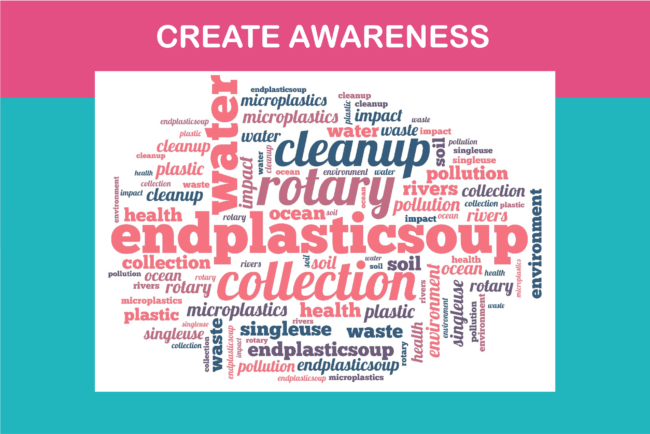
Create awareness

Creating Awareness The first step in solving the plastic pollution problem is to create awareness across the full lifecycle of plastic, and what you can do to contribute to prevent and solve the plastic pollution problem: Understand the real problem: (Micro)plastics never go away and are everywhere around us: in the waters, in the soil,…